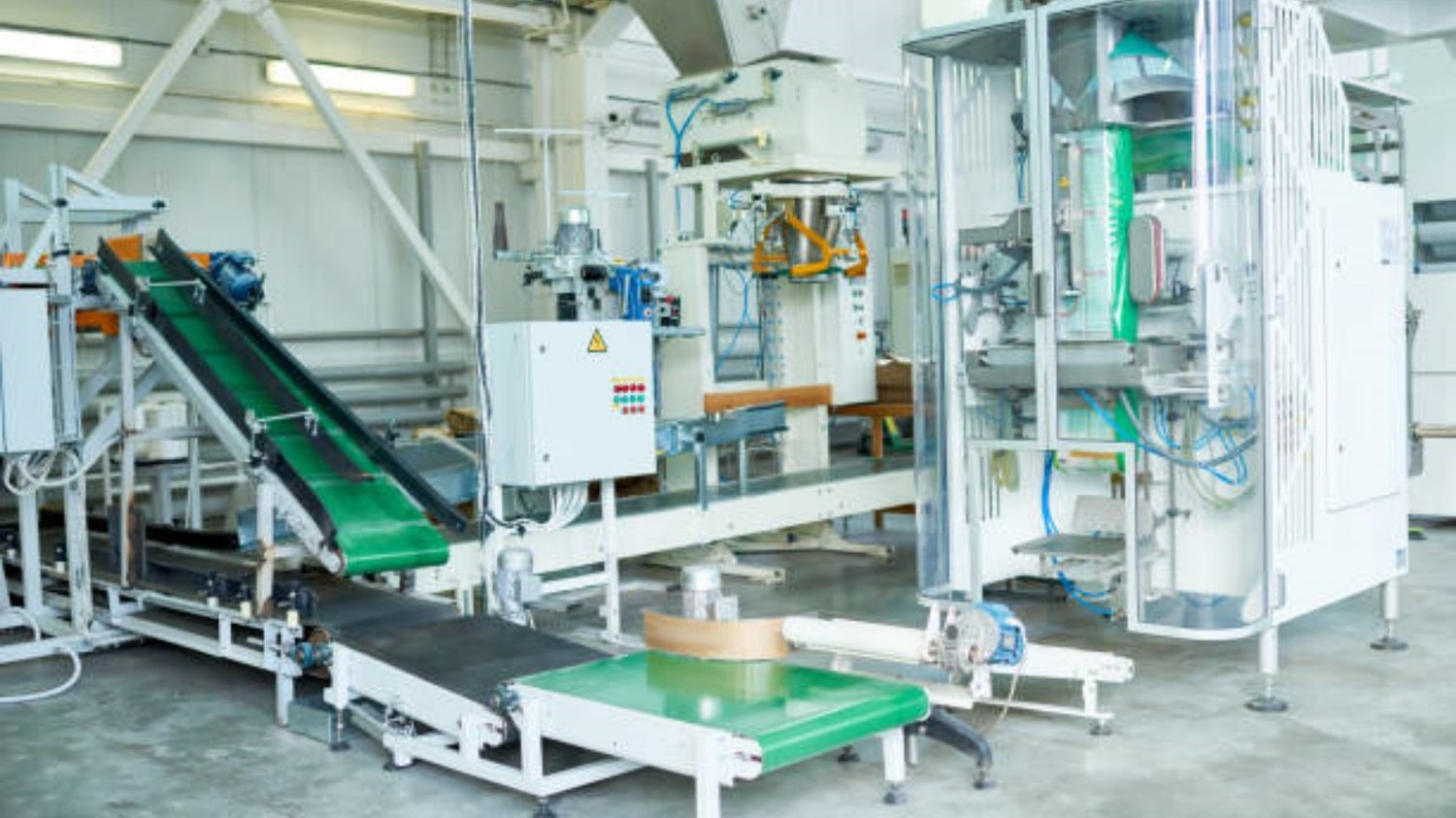
Introduction to bagging machines and Their Importance
Bagging machines are essential equipment in various industries for packaging products efficiently and securely. These machines automate the process of filling bags with items or materials, improving productivity while ensuring consistency in packaging. From food products to industrial goods, bagging machines streamline operations and reduce labor costs, making them a vital component in modern manufacturing and distribution.
Types of Bagging Machines and Their Applications
There are several types of bagging machines, including vertical form-fill-seal (VFFS) machines, horizontal form-fill-seal (HFFS) machines, pre-made pouch machines, and open-mouth bagging machines. Each type caters to specific packaging needs—for example, VFFS machines are common in food packaging for snacks and powders, while open-mouth baggers are widely used for heavy-duty applications such as sand, fertilizer, and cement packaging.
Technological Advancements in Bagging Machines
Modern bagging machines have incorporated advanced technologies such as servo motors, PLC controls, and integrated weighing systems to enhance precision and speed. These technological improvements allow for dynamic adjustments during operation, minimizing waste and maximizing output. Additionally, advancements in sensors and automation help detect errors or bag faults, ensuring quality control from start to finish.
Materials Compatible with Bagging Machines
Bagging machines are designed to work with a wide variety of bag materials, including polyethylene, polypropylene, paper, and laminated films. The choice of material depends largely on the product being bagged and end-user requirements, such as durability, barrier protection, and environmental factors. Innovative designs today support biodegradable and recyclable bag materials, aligning packaging processes with sustainability goals.
Bagging Machine Benefits for Small and Large Businesses
Bagging machines offer benefits to businesses of all sizes. Small enterprises benefit through labor savings and increased packaging consistency, while large industries enjoy high throughput and reduced downtime. With the right machine, companies can enhance their supply chain efficiency, shorten lead times, and maintain high standards in product presentation and protection during transportation and storage.
Customization Options in Bagging Machines
Manufacturers provide extensive customization options for bagging machines, including bag sizes, sealing types, printing capabilities, and integration with other systems such as conveyors and palletizers. This tailor-made approach ensures that the bagging process complements specific product attributes and packaging strategies, enabling brands to differentiate their products on the shelf while increasing operational effectiveness.
Economic Considerations When Investing in Bagging Machines
Investment in a bagging machine requires analyzing factors such as initial cost, maintenance expenses, and projected return on investment (ROI). While high-end machines may have a larger upfront cost, their efficiency and durability often lead to long-term savings. Additionally, leasing and financing options make it more accessible for companies to adopt advanced bagging solutions without compromising cash flow.
Impact of Bagging Machines on Packaging Sustainability
With increasing environmental concerns, bagging machines increasingly incorporate features for sustainable packaging. Machines can be configured to optimize material usage, reduce excess packaging, and handle eco-friendly bag stocks seamlessly. This alignment with sustainable practices supports corporate social responsibility efforts and helps companies comply with regulations targeting packaging waste.
Maintenance and Troubleshooting for Optimal Machine Performance
Regular maintenance is critical to maintaining the efficiency and longevity of bagging machines. Routine tasks include lubrication, alignment checks, and cleaning of sealing jaws and sensors. Understanding common troubleshooting issues such as bag jams, sealing defects, or inaccurate filling assists operators in minimizing downtime and ensuring consistent product output.
Future Trends in Bagging Machine Technology
The future of bagging machines points toward greater integration with Industry 4.0 technologies such as IoT connectivity, AI-driven monitoring, and predictive maintenance. These innovations will enable real-time performance tracking and data analytics to optimize operations. Furthermore, automation enhancements will continue to improve flexibility and customization capabilities, meeting the evolving demands of diverse industries.
Quote Inquiry
contact us