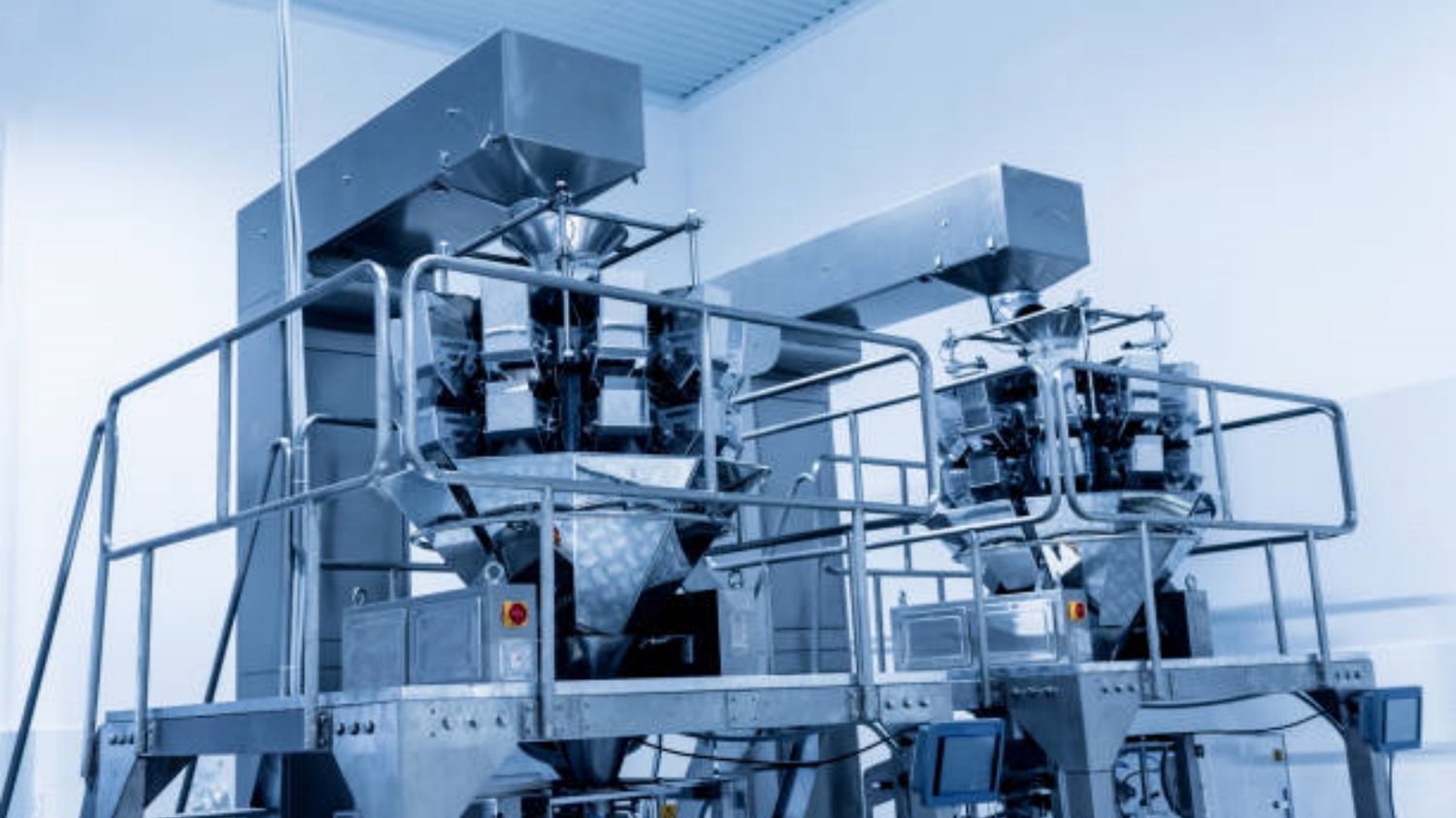
Powder bagging machines are specialized packaging equipment designed to automate the process of filling and sealing powder-based products into bags. These machines are widely used in industries such as food processing, pharmaceuticals, chemicals, and construction materials. By streamlining the bagging process, powder bagging machines help improve productivity, reduce labor costs, and ensure consistent packaging quality.
Types of Powder Bagging Machines
There are various types of powder bagging machines available, each tailored to specific industrial needs. Common categories include volumetric, net weight, and combination machines. Volumetric powder bagging machines measure product volume for filling, while net weight types use load cells to ensure precise weight. Combination machines incorporate both techniques for higher accuracy and speed.
Applications Across Industries
Powder bagging machines serve multiple industries, packaging powders such as flour, spices, cement, chemicals, and pharmaceuticals. Food manufacturers use these machines to pack powdered ingredients efficiently. In construction, cement and plaster powders are bagged using these machines to maintain consistency and meet regulatory standards.
Key Features and Components
Modern powder bagging machines often include advanced features like automatic bag feeding, dust control systems, and touch screen interfaces for ease of operation. Core components typically encompass hoppers, screw fillers, weighing devices, and bag sealing units. These features collectively contribute to precision, speed, and operator safety during the packaging process.
Advantages of Using Powder Bagging Machines
Utilizing a powder bagging machine delivers several benefits, including enhanced packaging accuracy, faster throughput, reduced product waste, and improved workplace cleanliness. Automation minimizes manual handling, reducing contamination risks and ergonomic strain. This leads to increased operational efficiency and better product presentation.
Integration with Production Lines
Powder bagging machines can seamlessly integrate into existing production lines, syncing with conveyors and packing systems for continuous operation. This integration allows for synchronized coordination with upstream and downstream processes such as mixing, weighing, labeling, and palletizing, promoting a streamlined manufacturing workflow.
Customization and Flexibility Options
Manufacturers offer powder bagging machines with customizable configurations to handle different bag sizes, materials, and powder types. Adjustable filling capacities, interchangeable parts, and modular designs enable adaptability to changing production requirements. This flexibility makes these machines suitable for small batch runs as well as large-scale operations.
Maintenance and Operational Considerations
Routine maintenance is critical to ensure long-term performance of powder bagging machines. Operators should regularly inspect seals, calibrate weighing systems, and clean dust collection components to prevent contamination and mechanical breakdowns. Proper training on machine operation and troubleshooting also contributes to minimizing downtime.
Environmental and Safety Benefits
By incorporating dust control and sealed filling systems, powder bagging machines reduce airborne particulates, contributing to safer work environments. Many machines also feature energy-efficient designs and materials that comply with environmental regulations, helping companies reduce their carbon footprint while safeguarding operator health.
Future Trends in Powder Bagging Technology
The powder bagging machine sector is evolving with advancements in automation, IoT connectivity, and artificial intelligence. Emerging models feature smart diagnostics, predictive maintenance, and remote monitoring capabilities, enhancing reliability and data-driven decision making. These innovations will continue to drive efficiency and precision in powder packaging operations.
Quote Inquiry
contact us