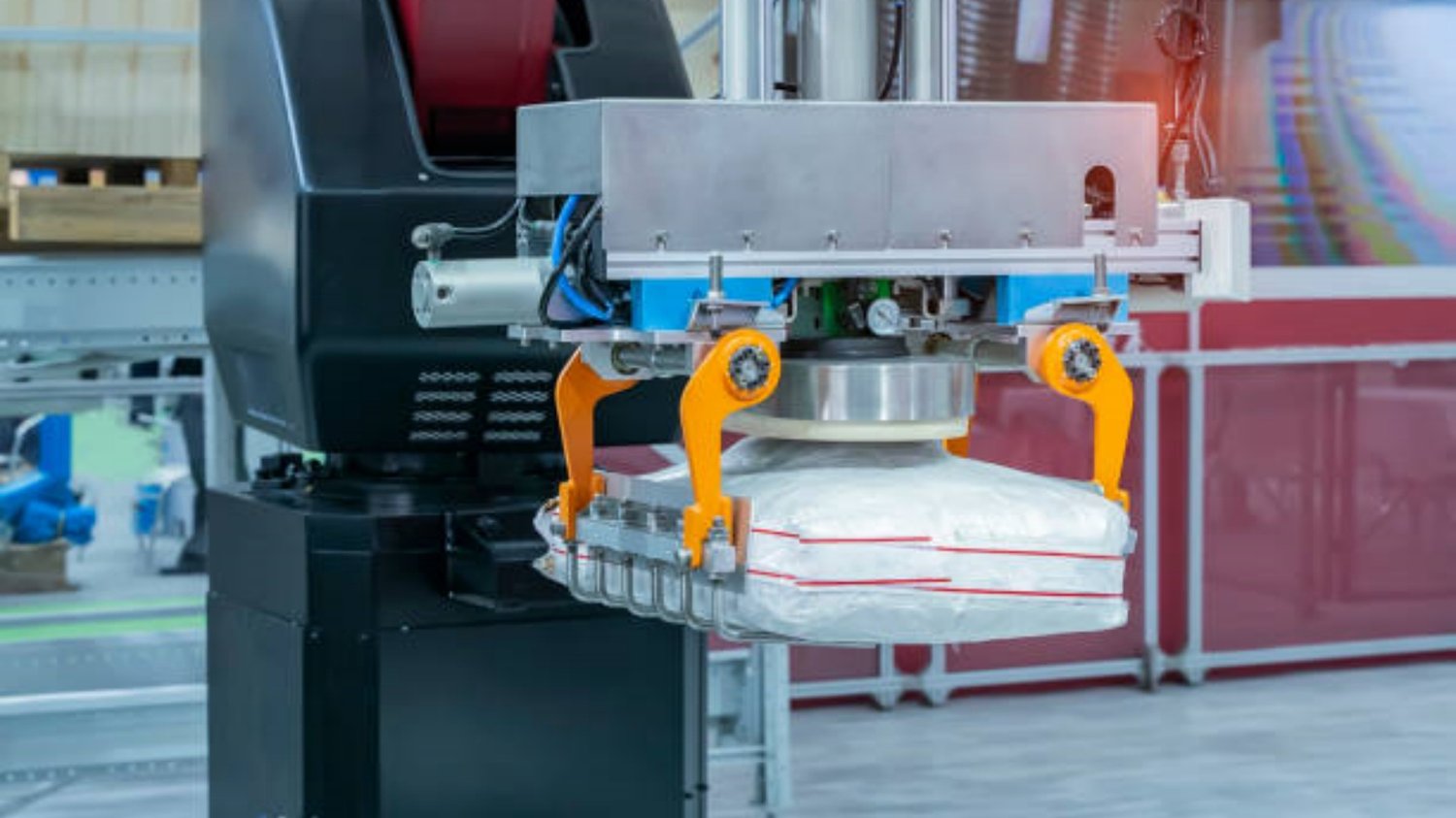
Bagging packaging machines are automated systems designed to fill and seal bags efficiently, playing a crucial role in various industries. They help in packaging products ranging from granular materials and powders to liquids and solids. Their main function is to streamline the packaging process, improving productivity while reducing human error.
Types of Bagging Packaging Machines
There are several types of bagging packaging machines available on the market, including vertical form fill seal (VFFS) machines, horizontal form fill seal (HFFS) machines, and pre-made pouch baggers. Each type caters to specific packaging needs, depending on factors such as product type, bag size, and production volume, offering flexibility for different business models.
Key Features of Modern Bagging Packaging Machines
Modern bagging packaging machines boast advanced features like touch-screen controls, automated weighing and filling systems, and integrated sealing technology. These features ensure precision and consistency in packaging, minimizing material wastage and enhancing overall efficiency. Some machines also offer multi-functional capabilities to package various products with minimal adjustments.
Advantages of Using Bagging Packaging Machines in Manufacturing
Implementing bagging packaging machines in manufacturing processes significantly boosts output speed and accuracy. These machines reduce labor costs by automating repetitive tasks and ensure hygienic handling of products, especially in food and pharmaceutical industries. Additionally, they offer improved package presentation and extended shelf life due to secure sealing.
Material Compatibility and Packaging Options
Bagging packaging machines are versatile with their compatibility for different bag materials such as polyethylene, laminated films, kraft paper, and multi-ply laminates. This versatility allows businesses to select packaging options that best preserve product quality and appeal to consumers, such as resealable pouches or vacuum-sealed bags.
Integration with Quality Control Systems
Many bagging packaging machines can be integrated with quality control devices such as metal detectors, check weighers, and vision inspection systems. These integrations ensure that every packaged product meets safety and quality standards before reaching the market, thereby reducing recalls and boosting customer satisfaction.
Customization and Scalability for Growing Businesses
Bagging packaging machines come with customizable settings that allow users to adjust bag sizes, filling volumes, and sealing parameters. This flexibility supports scaling production from small to large batches, making these machines an investment that grows alongside the business’s demand and product range.
Energy Efficiency and Sustainability Considerations
Energy-efficient bagging packaging machines reduce power consumption while maintaining optimal output levels. Some models are designed using sustainable materials and processes to minimize environmental impact, addressing the increasing demand for eco-friendly packaging solutions in various sectors.
Cost Factors and Return on Investment
The initial cost of acquiring a bagging packaging machine varies based on features, automation levels, and capacity. However, the return on investment is often realized through labor savings, reduced material waste, and increased throughput. Efficient packaging also improves brand image, potentially enhancing sales and profitability.
The Future of Bagging Packaging Machines: Automation and Smart Technology
The future of bagging packaging machines lies in increased automation and smart technology integration, including IoT connectivity, AI-driven predictive maintenance, and real-time monitoring. These advancements promise to further optimize packaging lines, reduce downtime, and deliver data-driven insights for continuous process improvement.
Quote Inquiry
contact us