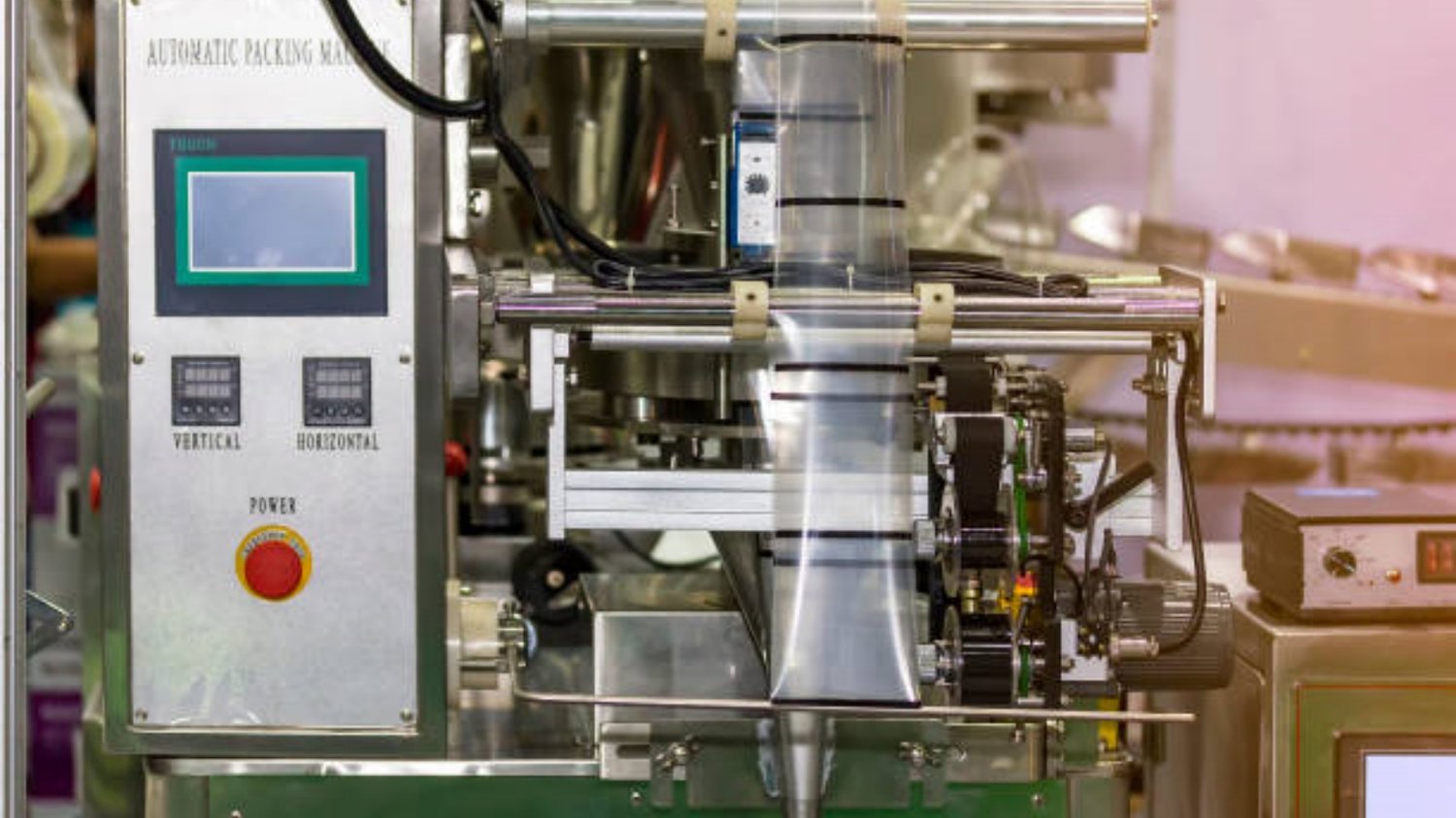
Weighing bagging machines are specialized industrial equipment designed to automate the process of measuring and packaging products into bags. These machines combine precise weighing technology with efficient bagging systems, enabling manufacturers to improve accuracy, reduce labor costs, and increase packaging speed. Commonly used across agriculture, food processing, chemicals, and construction industries, weighing bagging machines streamline operational workflows and ensure packaging consistency.
Key Components of a Weighing Bagging Machine
The primary components of a weighing bagging machine include the weighing unit, bagging mechanism, control system, and conveyor or feeding system. The weighing unit utilizes load cells or electronic scales to measure product weight accurately. The bagging mechanism handles different bag types, such as paper, plastic, or woven sacks, and typically includes sealing or stitching modules. The control system integrates software to monitor weights, control bagging speed, and manage quality checks, making the system highly adaptable for various applications.
Types of Weighing Bagging Machines
There are several types of weighing bagging machines, including single-head, multi-head, and combination models. Single-head machines generally serve low to medium capacity needs and are ideal for simpler operations. Multi-head weighing bagging machines incorporate multiple weighing heads to improve speed and precision, especially for granules, powders, and small items. Combination machines integrate weighing with other packaging functions such as filling, sealing, and labeling for a streamlined production line.
Advantages of Using Weighing Bagging Machines in Industry
The adoption of weighing bagging machines offers numerous benefits, including significant time savings, improved accuracy, and reduced material waste. Automation minimizes human error in product measurement, ensuring compliance with packaging standards and customer expectations. Additionally, these machines enhance workplace safety by limiting manual handling of heavy bags and repetitive tasks. Businesses benefit from higher throughput and consistent package quality when deploying weighing bagging setups.
Materials Commonly Processed by Weighing Bagging Machines
Weighing bagging machines are versatile and accommodate a wide array of materials such as grains, seeds, fertilizers, chemicals, animal feed, powders, and granular products. The adaptability to handle various product densities and flow characteristics makes these machines integral in sectors requiring accurate portioning and efficient packaging. Customizable settings allow operators to switch between product types without downtime, improving overall operational flexibility.
Technological Innovations Enhancing Weighing Bagging Machines
Recent advancements in weighing bagging machine technology include the integration of IoT, AI-driven control systems, and advanced sensors for heightened precision. Connectivity enables real-time monitoring and predictive maintenance, reducing machine downtime and operational costs. Automated troubleshooting and adaptive learning algorithms optimize weighing parameters according to changing material properties, leading to improved efficiency and reduced wastage during packaging.
Choosing the Right Weighing Bagging Machine for Your Needs
Selecting an appropriate weighing bagging machine requires an assessment of product characteristics, production volume, packaging type, and budget constraints. Factors such as product flowability, granule size, bag material, and environmental conditions influence machine specifications. Consultation with manufacturers or solution providers can help identify machines with compatible weighing heads, bagging mechanisms, and control features tailored to specific operational goals.
Maintenance and Operational Best Practices
Regular maintenance is critical to preserving the accuracy and longevity of weighing bagging machines. Periodic calibration of weighing sensors, inspection of sealing or stitching units, and cleaning of feeding mechanisms help maintain optimal performance. Operators should follow manufacturer guidelines on preventive upkeep and employ trained personnel to handle troubleshooting. Efficient maintenance reduces downtime and ensures the machine consistently meets production targets.
Cost Implications and Return on Investment
While weighing bagging machines may involve a significant initial investment, the long-term financial benefits often outweigh the upfront costs. Automated weighing and bagging reduce labor expenses, minimize material waste, and increase throughput, leading to enhanced profitability. Additionally, precision packaging improves customer satisfaction and compliance with industry standards, which can open up new market opportunities and strengthen brand reputation.
Environmental and Sustainability Considerations
Modern weighing bagging machines contribute to sustainability by minimizing product spillage and overfilling, which directly reduces waste. Many models support eco-friendly bagging materials, such as biodegradable plastics and recyclable papers. Efficient machine operation also results in lower energy consumption compared to manual processes. Organizations committed to green manufacturing increasingly incorporate these machines to meet environmental regulations and promote sustainable production practices.
Quote Inquiry
contact us